Learn Turkish with Rosetta Stone
GET STARTEDHave you ever thought about learning Turkish? You’re in good company. Millions of people across Turkey, Azerbaijan, and other regions speak the language, connecting communities with centuries of history, rich literature, and vibrant culture.
Starting can feel intimidating, but here’s the great news: learning Turkish is both rewarding and enjoyable. With consistent practice and the right guidance, you’ll be speaking and understanding more than you expect in a short time.
IN THIS GUIDE
Why learn Turkish?
Learning a second language brings countless benefits, and Turkish stands out as both practical and culturally enriching. Whether your goal is personal growth, career opportunities, or connecting with Turkish-speaking communities, Turkish can help you get there.
Top reasons to learn Turkish
- Advance your career: Knowing Turkish can be a valuable skill for business in Turkey and surrounding regions.
- Sharpen your mind: Language learning strengthens memory, problem-solving skills, and mental flexibility.
- Explore culture authentically: From literature to film and music, Turkish opens a window into rich traditions and modern life.
- Enhance your travels: Communicate confidently while visiting Turkey or other Turkish-speaking regions.
- Connect with family and friends: Build deeper bonds with loved ones or new acquaintances.
- Live abroad with confidence: If you plan to study, work, or live in Turkey, Turkish is your key to daily life and immersion.
Turkish language basics
Where is Turkish spoken?
Turkish is the official language of Turkey and widely spoken in Azerbaijan, Cyprus, and parts of Central Asia. With over 80 million speakers worldwide, it’s a language that connects a diverse region.
How long does it take to learn Turkish?
Consistency is essential. Spending just 15 minutes a day practising can help you hold basic conversations within a few weeks. Fluency takes longer, but Rosetta Stone helps you start speaking from day one.

How to learn Turkish
Beginner
Focus on pronunciation and essential grammar:
Greetings and introductions
Asking basic questions
Describing people and things
Using common verbs like olmak (to be) and sahip olmak (to have)
Intermediate
Build on the basics:
Learn verb tenses and sentence structure
Explore postpositions and adverbs
Expand vocabulary
Advanced
Approach fluency by refining skills:
Master idiomatic expressions
Understand complex grammatical moods
Learn specialized vocabulary for work, travel, or study
What's included with your subscription
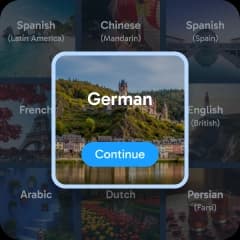
All-access subscription
Access to all 25 of our languages
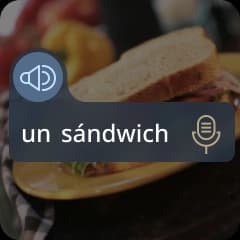
Immersive lessons
Master your new language with immersive lessons and our TruAccent speech tool

Chat Missions
Fun, realistic conversation practice with Chat Missions

Flashcards
500+ flashcard sets to learn the words you care about

Sapphire Studio
Create your own learning materials on any topic in Sapphire Studio
What our customers are saying

I absolutely love the approach that Rosetta Stone utilises. It feels like a natural and fun way to learn a new language. I also appreciate that I’m able to squeeze lessons in when I only have 10 minutes… and it’s a more productive and enjoyable activity than getting sucked into online scrolling just to distract myself. Why not learn a new language instead?
― Turner
I have been using Rosetta Stone for over 30 years. By far, this is the best app for language learning. There are no language crutches, only immersion. You learn in a natural way and move forward quickly. Apps with games are fun, but you learn more slowly, and you are always “translating”, not immersing. Rosetta Stone makes language learning interesting and efficient.
― GrahamAbout Learning Turkish with Rosetta Stone
On Rosetta Stone, learners approach Turkish through interactive lessons designed to make its structure clear, logical, and approachable. Listening and speaking activities highlight pronunciation, vowel harmony, and natural word stress, helping learners sound accurate from early practice. Vocabulary and sentence-building exercises show how meaning grows through suffixes, allowing learners to see how Turkish words expand in real usage.
Learning Turkish centers on understanding how ideas are built through consistent rules rather than exceptions. Turkish uses a Subject-Object-Verb sentence order and an agglutinative system, where suffixes add meaning for tense, possession, and intention. Learners often begin with everyday vocabulary and common expressions, then progress by recognising how word endings change meaning within a sentence. Regular exposure to spoken Turkish through audio or media helps reinforce rhythm, clarity, and comprehension while grammar becomes more intuitive over time.
Learners can apply Turkish skills by practising how words change and expand in everyday situations. Reviewing short phrases aloud, building sentences by adding suffixes, or listening to native speech helps reinforce understanding and accuracy. When paired with the structured lessons and pronunciation feedback available on the website, these habits encourage steady progress. With consistent practice, learners gain the ability to form complete thoughts, communicate clearly, and engage more deeply with Turkish-speaking communities and culture.